





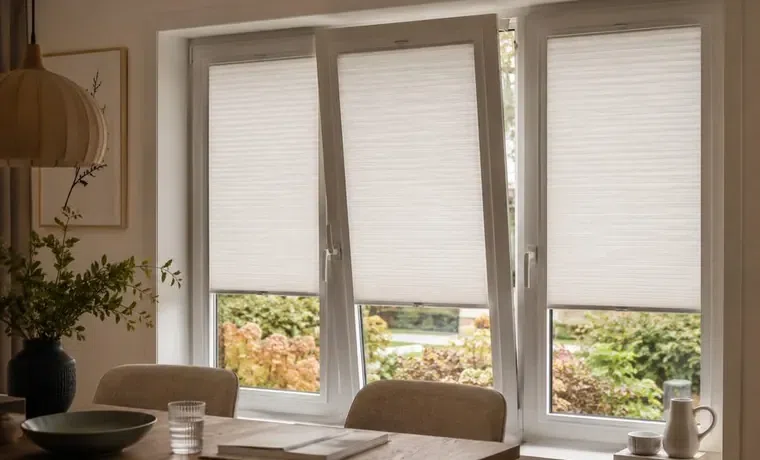
Tilt-and-turn window
The pleated blind stays on the window when you turn or tilt the window.
Advice on tilt-and-turn windows →Advice & inspiration · By window type
The window type mainly determines how you measure, where the pleated blind goes and how much space is needed around the window handle. Choose your window or window frame and see the key points to consider before you order.
All topics
Each card leads to a separate page with examples, choices and practical points to consider.
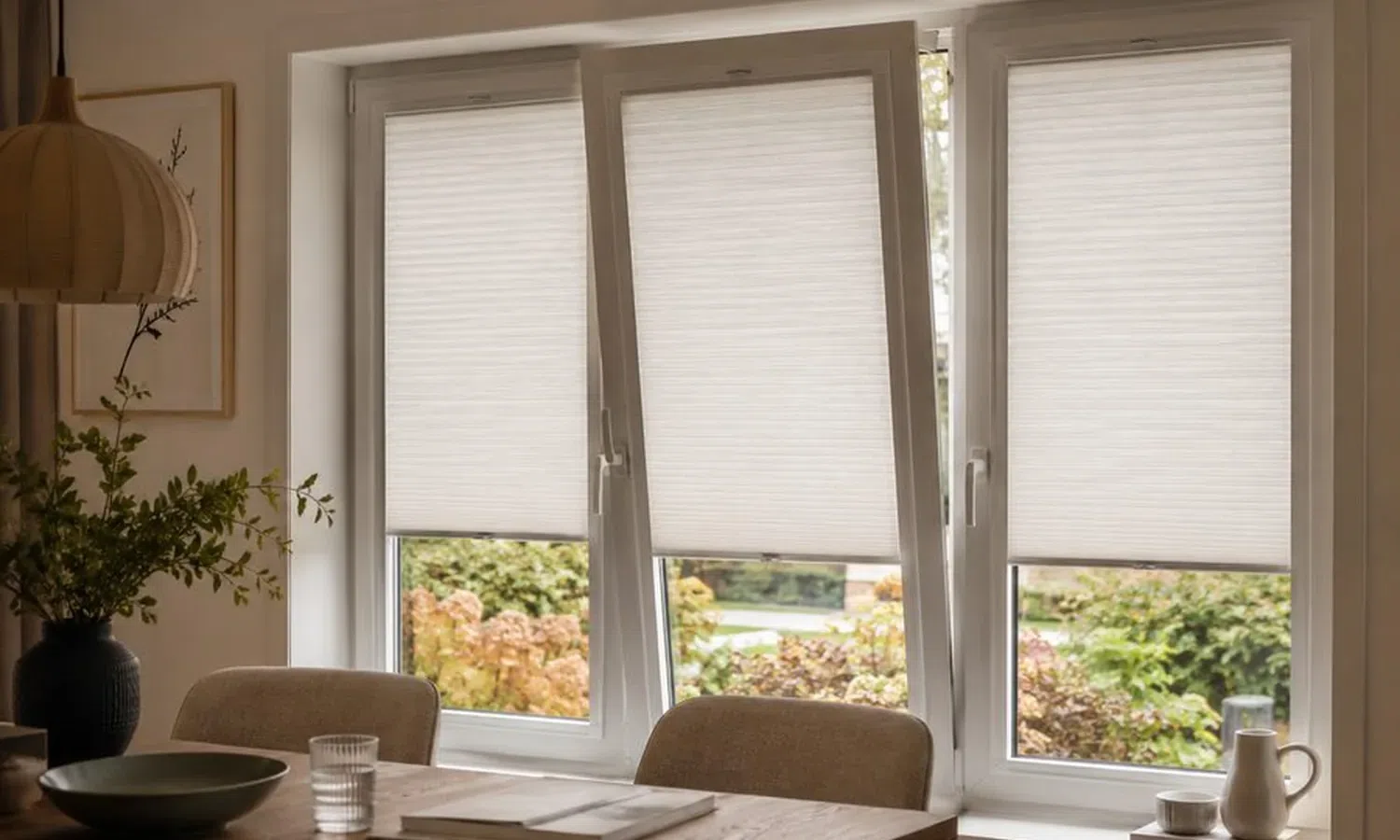
The pleated blind stays on the window when you turn or tilt the window.
Advice on tilt-and-turn windows →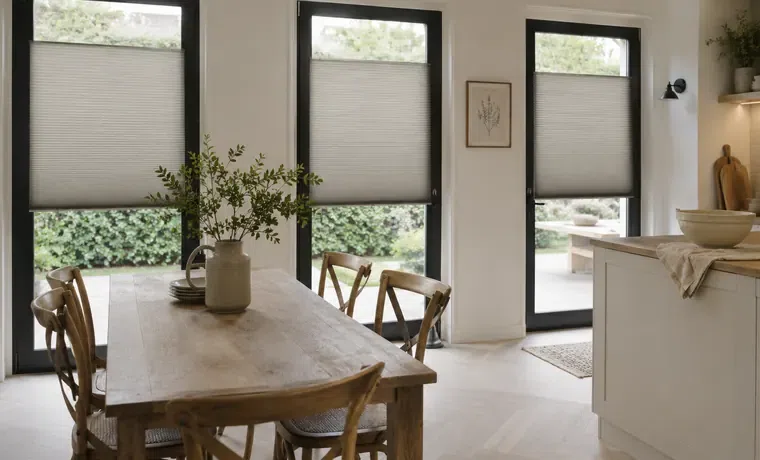
A compact solution that leaves opening and closing the window unhindered.
Advice on casement windows →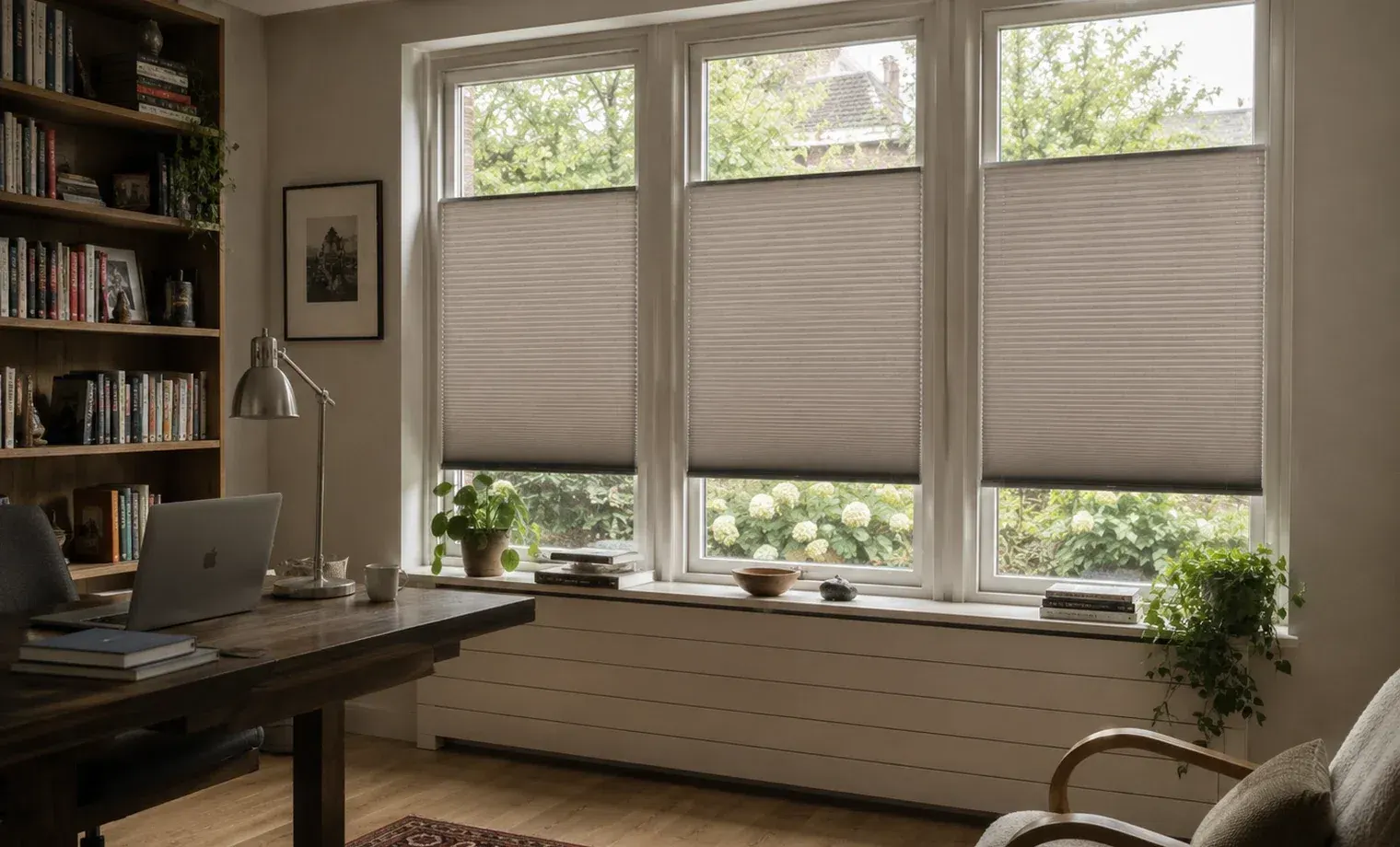
Control privacy and daylight on a window that cannot be opened.
Advice on fixed windows →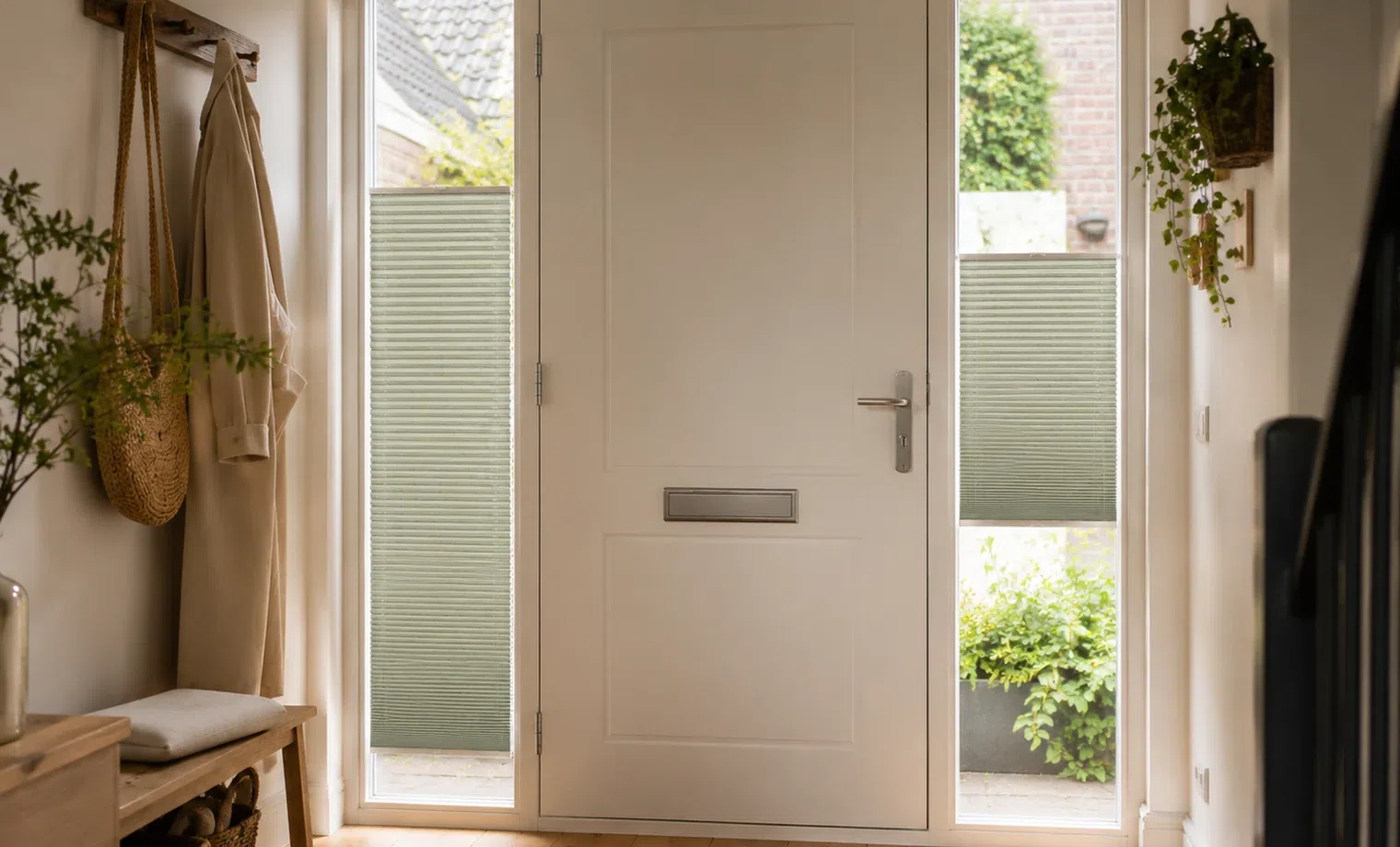
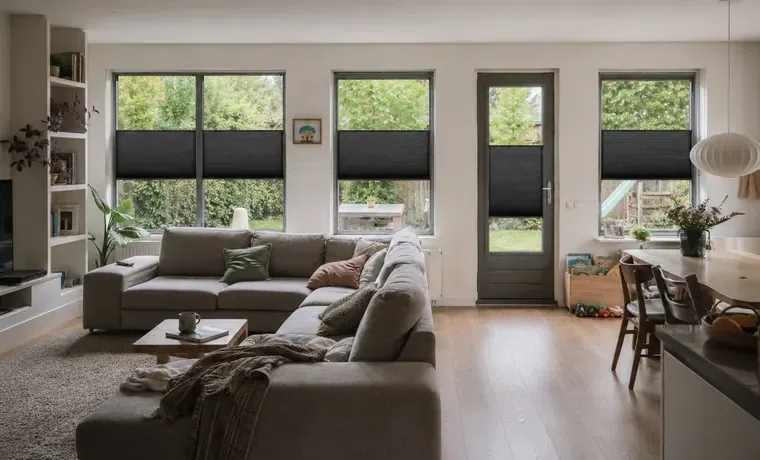
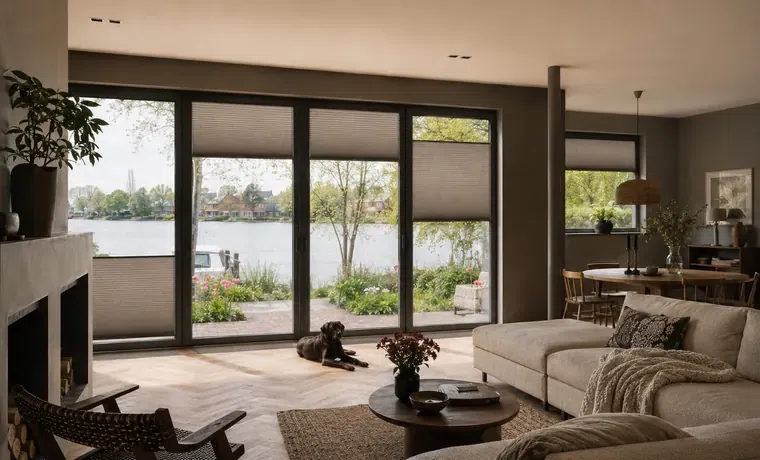
Find out what to look out for with wide windows and the maximum width.
Advice on wide windows →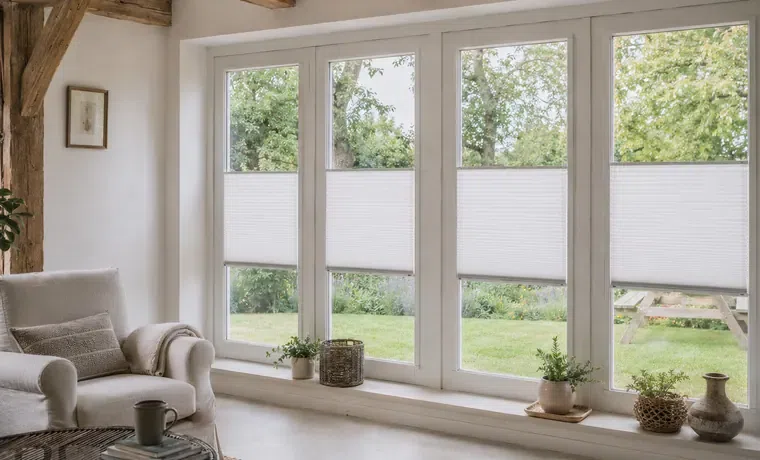
Choose a calm rhythm in fabric, position and profile colour.
Advice on several windows side by side →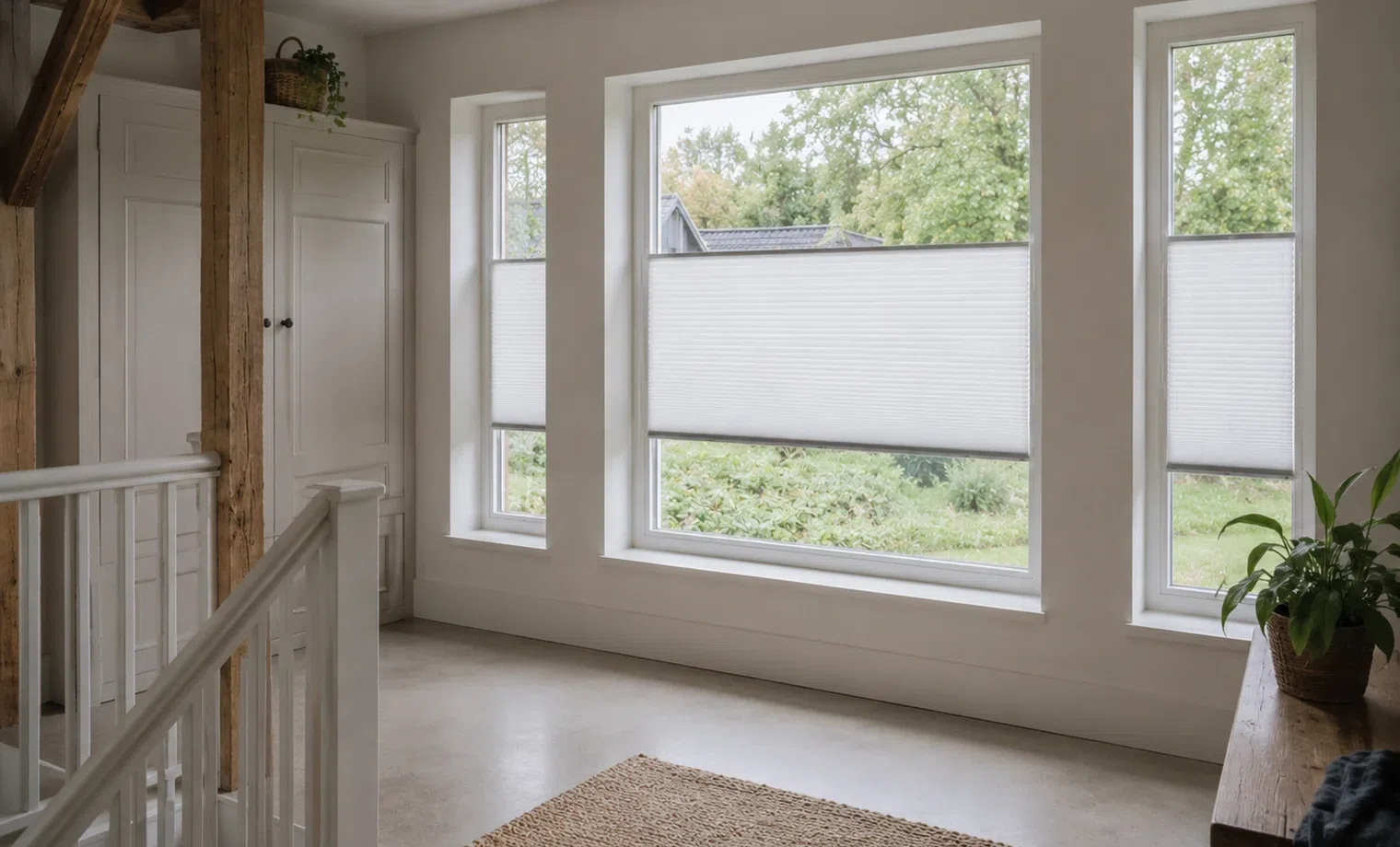
Fit without drilling and match the colour to the window frame.
Advice on uPVC window frames →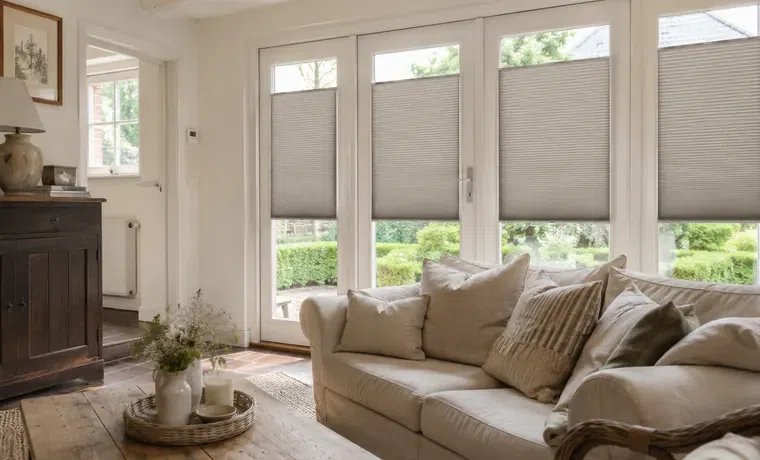
Combine the pleated blind with painted or natural wood.
Advice on wooden window frames →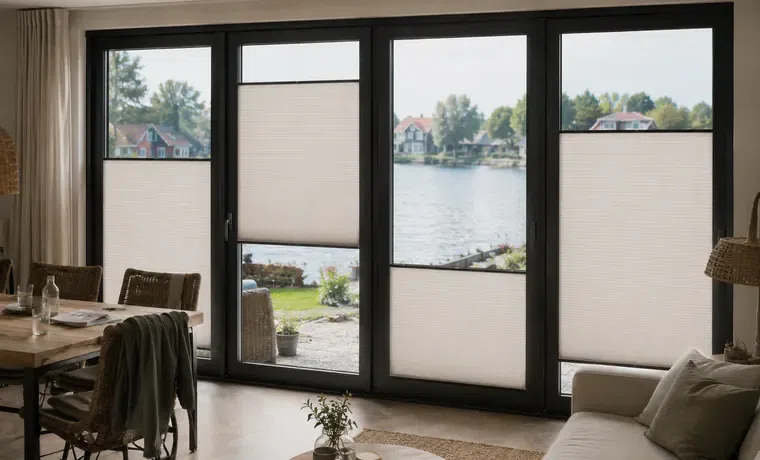
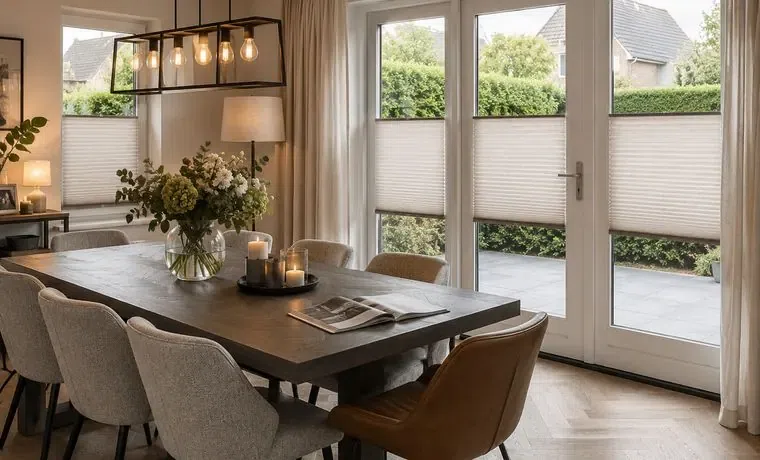
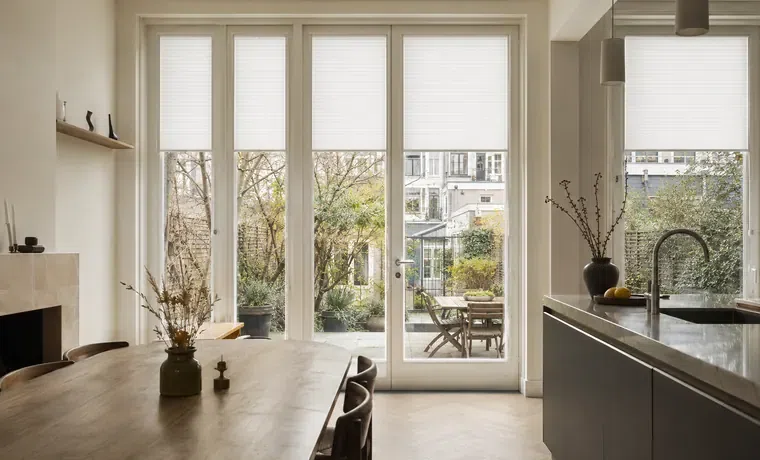
See what is technically possible with deep patio doors and wide doors.
Advice on sliding patio doors and French doors →Choose wisely
Follow this order before you settle on a colour or version.
Fixed, turning, tilting, sliding or as a door.
Pay attention to the window handle, trickle vents and the space between moving parts.
With several windows, each window gets its own made-to-measure product.
Stick & Fit in brief
Made to measure, fitted on the window without drilling and cordless to operate from the top and bottom.
Frequently asked questions
The most important answers before you read on or start configuring.
Yes. The system can be used on these window frame materials, provided the window and the adhesive area are suitable and thoroughly clean.
Yes. The pleated blind sits on the window and moves with it when you turn or tilt the window.
The standard width ranges from 230 to 1800 mm and the height from 200 to 3000 mm. The maximum height depends on the width.
That depends on the depth and the available space between the sliding parts. See the dedicated page or send photos and measurements for advice.
See also
Would a different starting point get you to the right advice faster? Then take a look at one of the other categories.
Next step
Compare free samples at the window and hold them next to the profile colour you want. Then measure each glass pane separately and configure the version that fits.
No damage to your window frame
A perfect fit for every window
Improved insulation and blackout
Privacy, blackout and insulation
In the Netherlands, Belgium, Germany and France